Showing posts with label production. Show all posts

Friday, March 15, 2013

Film Distribution


Film Distributors: §A film distributor is a company/ individual who is accountable for the advertising of a film. The distributor may set the release date of a film and the way in which a film shall be displayed/ made available for viewing. The best examples of this are: video on demand (VoD), DVD/Blu-ray, TV and download. A distributor may well do this independently, but this is only if they own theatres to do so otherwise it will be done through other theatrical exhibitors.

What are the film distributors main objectives?: The main objective of a distributor is to persuade the exhibitor to essentially ‘buy’ a film. With this in mind, a distributor will often organize industry screenings for exhibitors, and will use other marketing techniques that will make the exhibitor a) want to show the film and b) make a profit from the film

What else do film distributors do?: After this, the distributor will:
-Secure a written contract, which specifies the amount of the gross ticket sales to be paid to the distributor
-Collect the money
-Review the exhibitor's ticket sales (this is to ensure the gross informed by the exhibitor is precise)
-Secure the distributor's share, and diffuse the remaining money to the production company/others
-In most cases this is a set amount but may be varied depending on the film.

Distributing for everyone to see: -The Film distributor must therefore create enough advertising for their film. They may do this such as advertising on media networks such as Facebook, Twitter, etc Thet may also put adverts on buses, at bus stops, hand out leaflets, packages, merchandise and more. 
Here are some adverts on the way Harry Potter has distributed their movie: 


Film Premiers are also a great way to promote the movie because it brings together all the fans and if they enjoyed this event then they can pass it on their friends and other people, creating interest in a larger number of people, thus spreading the word of the film.


What must a film distributor think about?:  §A film’s first weekend in cinemas is vital for further success; most films gain 30% or more of its entire box office during the first three days, which is why it is important to get the marketing correct.
§Film distributors must think about:
§Who is the audience?
§Who does the film speak to?
§Do the story, characters and situation attract the audience?
§Does the film make up for the cost (risk) of a theatrical release?
§What sort of audiences have similar films attracted recently?
§These are all very important and explains why many distributors may only release  1-2 a year and others may release 20-30.

The different scenes and settings of distribution:§Different releases are accomplished in diverse ways. A blockbuster release may open simultaneously on 1000 screens UK-wide playing at two or more screens per multiplex: this includes large scale sequels or star led holiday releases  and therefore helps to accommodate mass audiences eager to see a film at the earliest opportunity. Sometimes, a single print can service multiple screens if they are ‘interlocked’.

Sunday, February 10, 2013

Distribution Openings

As our genre is between romantic and a coming of age genre, me and my group wanted the distribution opening to be creative and interactive, which would capture the audience's attention immediately but also be creative as well. For example, looking at some of the major distribution companies, their opeinings prior to the actual movie is very creative.
This is the way Dreamworks Pictures open:


I really like this opening theme because what we see is parallel to their title' Dreamworks' and the use of the colours blue & white and puffy clouds creates this dreamy feeling. It also has a calm and soothing effect which is important because Dreamworks  films are animation and adventure movies aimed at young people, therefore this suits nicely for their type of audience and genre. 


Below is the Paramount Pictures opening theme for their 100th Anniversary: 


I thought again this was very creative, and the use of pink sky, beautiful mountain and lake, this helps to create a sense of enchantment , which is effective because this could be what their movies are about.  For example films like Transformers and Iron Man 2 are distributed by Paramount Pictures, and are adventure films. Therefore, this is effective in creating this feeling and it is something we also want to create in our opening sequence. We want it to be exciting right from the start, preparing our audience to feel in a thrilling/ happy mood. 

Thursday, February 7, 2013

Credits

This week and next week we need to start creating our credits to go into our opening sequence. I have found some examples below which I enjoy and think are effective: 

 Lord of War

Although the credits are very basic and just appear in standard font and are of one colour, I think this is effective because it doesn't distract the attention of the visually creative and entertaining action in the background.  Some of the letters actually appear quite long and straight with no swirly letters which you might see in a romantic or chick flick genre; therefore this is perfect for this type of genre and target audience who might be older. The bright font is easy to see from the dark/ uncanny atmosphere we are being shown in the background which makes it easier to see but the style is not too distracting so that viewers do not miss the important action. 

Thank you for smoking 


I found the credits on this opening sequence very visually creative and entertaining to watch. I liked how the credits appeared on the vintage cigarette packets which is effective because it matches the title of the movie, which is obviously referring to cigarettes. The names of all the people are in different fonts, shapes, colours and sizes which I also found effective because although there is no particular important action, the fast pacing of the credits and different colours capture the readers attention, drawing them in to want to watch more. Overall, I liked the whole idea of the way they presented the credits and I think it  was different from any other opening sequence I have watched. The fact that it is so original is what makes it unique and interesting.


The Notebook

The title credits for The Notebook are very simple and basic, which is effective because they aren't distracting from the enchanting and breathtaking scenery we are presented with. They also very small and usually at side of the corner which I thought was very unusual. I liked the simple and elegance to these credits although I did find this a bit boring because I thought it dragged on for too long. In order to make our opening sequence enteratining I think we should make our credits for eye-capturing and entertaining which is unique. This way people can be drawn in, because the opening sequence is what will determine whetehr people will wathc the movie.

Progress

Today in lesson we had to review each others opening sequences and look at rough cuts of what it might look like as a finished sequence. I found this lesson effective because some of the people gave us some really constrictive criticism which me and my group will take on board in order to improve our opening sequence. 

Overall, we got some very positive feedback from others. They particularly liked the match on action from the girls dress into the boys hair product and they said it was very creative. They also said that it was easy to understand and none of the parts were ambiguous or difficult to understand. This was particularly important for us because we want to create an sequence which our viewers and others can understand, because if they don't then they will easily get bored or distracted.

However, we did get some criticisms such as the beginning the of the party was slightly darker and so they couldn't see the characters as well. Although being the party this was the effect we were going for, we will try to improve this by adding some light from final cut and making the whole scene easier to see. Also, some of the people said that when Ruby was talking on the phone, the extreme close-up of her face was slightly off frame so we will try to re-film that part in order to improve it.

Monday, February 4, 2013

Re-filming

We have finished re-filming the parts we had to do of the main girl and the establishing shot. I think overall it went well because this time we had managed to show close-up shots of Ruby's face which is just what we needed. 
Tomorrow we just need to edit these into our opening sequence and start adding in the music which is important in order to get a sense of realism in this sequence.


4/ 2/ 2013

Progress-

In today's lesson we had completed the opening sequence as a rough cut in order to see the overall flow of it and what else we still need to re-film. As we are re-filming some of the main girls part's today, we shall replace the old footage from our opening sequence and edit in the new ones.
A problem is that our opening sequence is quite long at the moment (3 minutes), exceeding our maximum of it being around 2 minutes long. In order to reduce these we have found that some of the shots we had which weren't as vital were too lengthy so during this week of editing we shall need to cut these down so it fastens the editing pace. In a way this can be effective because during the inter-cutting between the characters we do want to maintain a fast pace in order to keep the viewers entertained and create a sense of excitement.
We still haven't found the right music and we have found that quite challenging because the music we have created on garageband so far is like club music and not house party and so we would need to try and find some vocals in order to fit in with our edited music.

Thursday, January 31, 2013

31/ 01/ 2013

Progress-
Today we spent editing our opening sequence and continued working on making the footage flow together nicely. We need to still re-film some of our footage because of lighting issues so we will hopefully do it on the weekend.
Overall, today was successful as Nicola and Kirsten spent time finding the right music and have tried to create something on GarageBand which would fit when the girl and boy are getting ready. We have all decided that it would be best to have different types of music on the boy and girl so it appears like realistically what they might listen but also looks like diagetic sound i.e. they are actually listening to this type of music whilst getting ready.
Meanwhile, me and Natalie carried editing the sequence together; I think that the graphic match from the girl's red dress and his red bottle works really nicely and is visually entertainer/ creative. 


Tuesday, January 29, 2013

Sound

We have been starting to look for music which might fit in nicely with our opening sequence when the girl and boy are getting ready and there is a inter-cutting between the two main characters. What would be ideal is something which creates a positive energy as it is an important aspect of most romantic or coming of age films in order to captivate the audience and make them feel intrigued to watch.

 For example, in Legally Blonde, the lyrics of the song at the beginning' Perfect Day' is a parallel match to what we actually see. The atmosphere looks pleasant, it's sunny, everyone is having a good time, smiles on their faces and so this all makes us feel the same way also. It is also quite upbeat and this is something we want to create in our opening sequence also. As the singer is also a female, this is why this would be ideal to be shown when the girl in our sequence is getting ready, however, when the boy is getting ready we were going to use music which appears more suited that a guy would listen- fulfilling the stereotypical  characters. 
Overall, I think the sound used in Legally Blonde is effective because for the target audience of 15-25 year olds, who are mainly girls, this would satisfy them and make them feel in a position where they would be happy to want to know more. The music used also aids them to feel in a satisfied, jolly mood, which is something we would like to create with our opening sequence.


Opening Sequence

29/ 01/ 2013


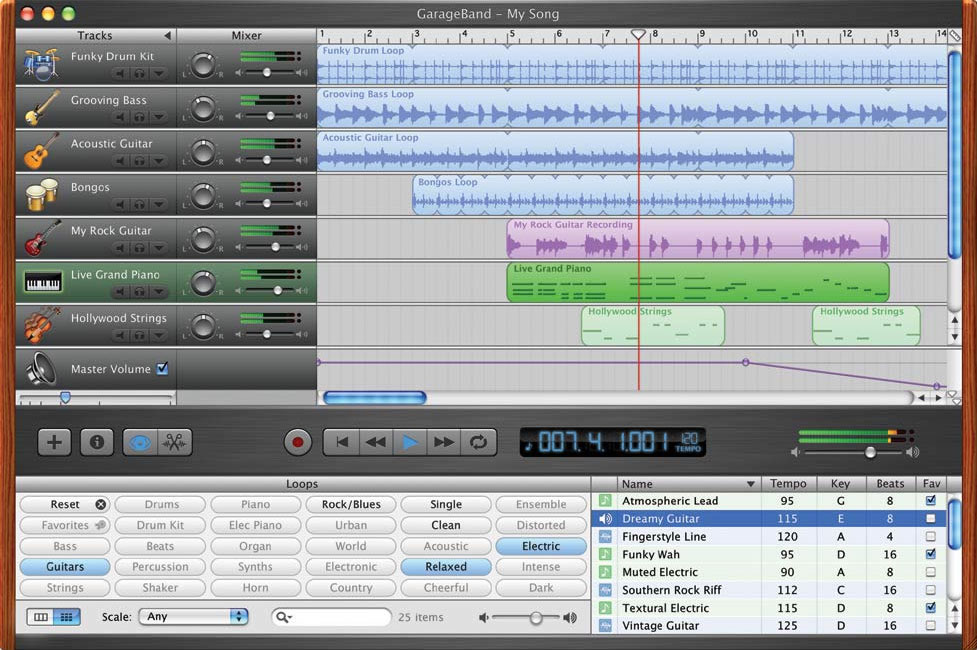
Today in lesson we were beginning to edit all our footage together. We split our group up so half of us were editing our opening sequence and the other half of us were trying to create some music on Garageband. While editing some of our footage we found out that some bits were good but too dark so we shall need to re-film those over the next couple of days using the lights this time in order to see the characters more clearer.
Here are some pics: 


Editing opening sequence
On Garageband
At the end of the lesson we managed to complete a rough draft of what our music for the party scene would be like which gave us all an idea of what it would sound like, what we need to improve/ add in future lessons. 
Our first draft of music we completed

Monday, January 28, 2013

Storyboard

Pre-Production

Before filming the actual footage for our opening sequence, we have created a storyboard which is part of our pre-production stage.
Creating a storyboard helped us immensely when it came to filming because the first day of filming we were still have did not complete our storyboard so had trouble finding the right type of shots to film. This was also not ideal because it wasted a lot of time. SO we then created a storyboard and the weekend period of shooting the opening sequence (26-27th January) we had all the shots we needed, and dealing with so many people we were able to be more organized and confident in what we needed.

Here is the storyboard we had created: (although during the filming day we did add more shots we thought would be good at that time)


Progress

28/1/2013- So this weekend we have managed to film all of our footage and this lesson we were looking through it to make sure we have captured everything we needed or whether we need to re-film. We have started to edit some of the bits of the footage and some of us are using garageband in order to create the music for this opening sequence.
We are planning to edit as much as we can all week, swapping around so everyone gets a turn to edit and have an input in this project. 


Filming Day 2

On Sunday we completed out filming by managing to film the boy's and girls parts with the party scenes. Overall I think it was a successful day because we managed to get a variety of different camera shots and varied them in order to apply what we had learnt.

On Saturday some of the girls in our group had to 'dress' a room in order for the mis- en- scene to look like it's a boy's room. I think this was effective because we wanted to make sure that all the details were correct and it was realistically a room which a boy would be in. Here is a pic of the room: 

For the girls part, again we tried to stereotypically create a room which would be ideally for a teenage girl in order to fulfill out genre of a romantic/ coming of age film. We made sure the props were suited for this so we placed a lot of makeup, magazines, perfume, etc which helped us achieve this aim. 
 
For the party we had to dress up a living room again and make sure that there was enough props in order to make it look like a real party. Here are some location photos:  
 
Overall, this weekend of filming and setting up the rooms was successful because we managed to get a lot done and the pre-planning (pre-production stage) of storyboards, costumes, lighting  was helpful because we know what we had to do or the types of shots we wanted. Now we will be editing this and hopefully we have done a great job! 

Saturday, January 26, 2013

Filming Day 1

We did some filming on the 17/ 1/ 2013 which was quite successful as we managed to film some great shots of the main girl, Ruby.  

What went well? : We had really good close-up shots of the girl such as of her eyes, close detail of her answering the phone etc. We had also filmed half of her face when she answers the phone because we didn't want to reveal her full face or outfit yet until she finally arrives at the party, which is why we filmed a lot of variety of extreme close-ups, close-ups and medium shots. We have also managed to film a point of view shot of her spraying hairspray on her face but towards the camera so its as if the audience are the main character. We will inter-cut this with the main guy as he is getting ready in order to make this more visually interesting.

What could be improved?: Whilst filming the main girl walking outside and going to the party, when watching this back it was quite dark and not as we hoped. To improve this we have arranged to re-film this on Monday the 28th of January in order for the viewers to see it clearer and improve the quality of our footage.


Here are some of the 'behind the scenes' of us filming for the first day:


Monday, January 21, 2013

Filming

We filmed last week the first half of out whole filming project which was the girl getting ready such as putting on her makeup and doing her hair for the party scene.
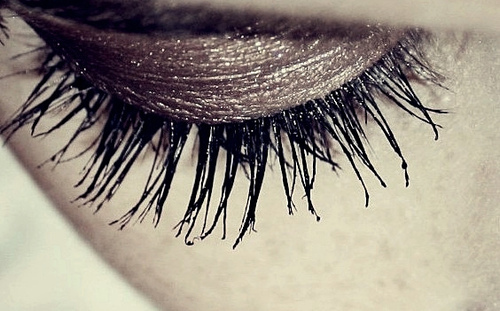
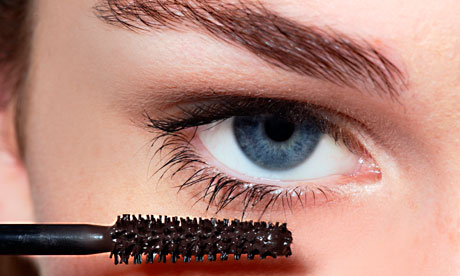
We decided that it would be best if we didn't show too much of the girls face but only extreme close-ups of the details of her face such as her eye. This would be effective because no one would have seen her yet until the final reveal at the party- building some tension.

Some shots we had done were like those:
For one of the shots we are filming the main girl, Ruby put her shoes on which would be a similar close-up shot like this one


Thursday, December 27, 2012

Continuity Editing


Continuity editing
Continuity editing is also referred to as invisible editing, is a technique of cutting used to maintain clear and continuous action by following a set of rules. This is all done in the post-production stage.  I think this is very effective because it creates a sense of fluidity when the viewers are watching a film/ programme and so they barely notice the edits.  One reason that this is used is to try and make the film as real as possible and so the audience can be drawn into a world which is realistic and not obvious that they are watching a film.  
What is also effective and unique about this type of editing is that it allows the audience to see a wide shot cut to a close-up shot; something our eyes cannot do in real life. Without continuity editing, the film may not be as fluent to watch but this type of editing allows the viewers to fully immerse and follow the story.  

This is an example of continuity editing from an episode of Eastenders because a lot of the shots can be from a close-up shot to a long-shot etc and change really quieckly without actually noticing the editing techniques. This is used as a way of retaining our concentration and making us merge in with the characters and the way they are feeling/reacting. It allows us to feel like it is reality and not like we are actually watching a programme, making us want to watch more and more.
Match on action 
This is also an editing technique for continuity editing where one shot cuts onto the other portraying the same action as in the first shot.  This creates the impression of a sense of continuity and fluidity which draws the viewer’s attention away from slight cutting or continual issues. All this says to the audience is that when one shot ends another will pick up where the other left off making the reality of the film fluid and continuous.
The clip above from Victor Flemings The Wizard of Oz (1939) shows an example of this match on action. Miss Gulch is seen riding her bicycle, moving to the right, for the majority of the short clip., then at the cut we see her riding her bicycle coming in the direction towards the viewer. The speed at which she is riding does not change, which adds to the continuity and flow of the one shot to the next. These shots may have been recorded at different times but the match on action technique makes them flow and connects them more. We know that while the camera cut to a different angle of view the entirety of the clip shown is meant to be taken as a single action (riding the bicycle) happening at the same point in time.

Establishing Shot
This type of shot may be basic but is actually most commonly used. It is a way of establishing a scene so that the audience are aware of where the action is taking place.
The above clip comes from Shashunk, where is shows an overview of the prison. We as an audience are able to see where this is set and as we focus more into the shot we can see the prison, which the main building where the majority of the film is set so we need to be familiarized with it, demonstrating the importance of this setting.


POV- Point of View Shot
This shot tries to place the camera as a character, making the audience have physical mass inside of the film reality and creating tension because we feel most of the time we are spying on a character.  
For example, at the end of the clip from Halloween we get a POV where we feel that we are entering the house ourselves.  The eerie music and hearing the sound of the footsteps adds to the tension and we except some violence to happen as this is a thriller movie.
Often this effect is employed to help the audience empathize with the main character, or to restrict their view strictly to that of the characters.


Eye-line Match
This is where we see the character looking at something but we as an audience do not know what this is, adding tension because we are eager to find out what it is that we’re missing out. Then the camera shows a shot of what the character was looking at, matching their eye-line.
The clip below shows a good example of an eyeline match where we see the character looking at something which she appears to be extremely shocked but the audience have not seen it yet. 

Shot-reverse shot
Shot reverse shot is a continuity editing technique used mainly in conversations of characters. This shot shows what the character is supposedly looking at (either at a POV or filming from their shoulder) and is followed by a reverse shot of the character themselves looking at the person talking to them. Shot reverse shot often ties in with the 180 degrees rule to retain continuity by not distorting the audience’s sense of location of the character’s in the shots.
An example is the clip below where we see a shot reverse shot of one of the characters talking to another person filmed from the shoulder of each character. 
Parallel Editing


Parallel editing is a technique of alternating two or more scenes that often occur simultaneously but in different locations. This is effective because it creates suspense and is just more visually entertaining and interest to watch than if they were shown in order of what happens. It also gets the sense that it is a high budget film where thought is being put into the editing process and in return has a great effect of being visually interesting.
The following is a popular and famous example of parallel editing from The Silence in the Lambs. Many different scenes are shown one after the other to create the climax and draw the viewers in because they see action from different locations and gain more information about what is happening.